The Invisible Backpack
What Your Child Might Be Carrying
Written by Tina Rounding, Early Years Development International
Every child carries an invisible backpack. We can’t see it, but it’s always there. Some days it’s light. Other days, it’s heavy with tiredness, worries, big feelings, or small changes that feel huge.
As parents, it’s easy to focus on what we see: the tantrums in the supermarket, the tears over the wrong cup, or the bedtime battles. But behaviour is often just the signal of what’s happening inside. That invisible backpack can be overflowing - and your child may not have the words to tell you.
Shifting the Question
When our child lashes out or melts down, our first thought might be: “Why are they behaving like this?” But what if we asked: “What might they be carrying today?”
That small shift helps us pause, notice, and connect - rather than react with frustration.
What’s in Their Backpack?
Your child’s invisible backpack can be filled with things like:
A rough night’s sleep
A change at nursery or school
Missing a parent who’s away
Feeling hungry or overstimulated
Big emotions they can’t name yet
When we recognise this, behaviour becomes easier to understand - and support.

How Parents Can Help Lighten the Load
We can’t always take the weight away, but we can make it easier to carry:
Pause before we react: Take a breath, then respond calmly
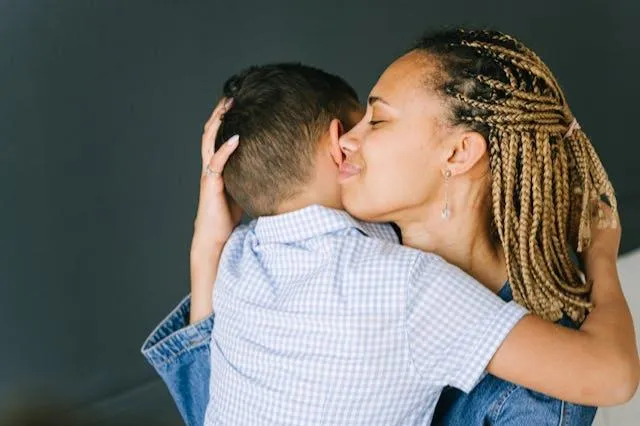
Offer connection first: A hug, a gentle word, or time together helps children feel safe
Keep routines steady: Predictability is comforting when the backpack feels heavy
Use simple choices: “Red cup or blue cup?” gives a sense of control. Always make it a choice that you are happy with, whatever they opt for.
Share your calm: Your child will borrow your regulation before they find their own
A Final Thought
“Connection doesn’t remove the weight - but it makes it easier to carry.”
Every act of connection and understanding lightens your child’s invisible backpack. In those moments, you’re not just helping them through the day - you’re teaching them that they never have to carry the load alone.
Next Step
What’s one small way you help lighten your child’s backpack at home? Share your ideas - I’d love to hear from you.


